Not All Content Creation Is the Same: Brand Marketing vs. Wedding Day Memories
Content creation has quickly become one of the most sought-after services in the wedding industry. Whether you're a couple looking for behind-the-scenes memories or a business investing in marketing, hiring a content creator can be incredibly valuable.
But while the title "content creator" may be the same, the service being provided isn't always.
One of the biggest misconceptions we see is treating wedding content creation and brand content creation as if they're interchangeable. Although both involve capturing content, they're built around entirely different goals, different clients, and often different business relationships.
Understanding those differences helps everyone, from couples and wedding professionals to content creators themselves, establish clear expectations before a project begins.
Whether you're planning a wedding or launching your brand, understanding the purpose of your content is the first step toward a successful project. If you're planning a branded editorial, venue launch, or luxury wedding, we'd love to chat.
What Is Wedding Content Creation?
Wedding content creation is exactly what it sounds like: capturing a couple's wedding day in a way that's designed for them to relive and share.
Rather than focusing on polished, long-form films like a videographer, wedding content creators typically capture behind-the-scenes moments, candid interactions, trending social media clips, and same-day content using a smartphone or lightweight camera setup.
The purpose is personal.
The content is meant to help couples experience their wedding through a different perspective while giving them photos and videos they can share almost immediately.
Wedding content creation often includes:
Behind-the-scenes moments
Bridal party interactions
Ceremony and reception highlights
Vertical videos for Instagram Reels and TikTok
Raw footage delivered within 24 to 48 hours
Short edited social media videos
Because creators build their businesses by showcasing real weddings, it's common for contracts to include permission for the creator to use portions of the wedding content in their portfolio and on social media. This benefits both the couple and the creator while helping future clients see the creator's work.
What Is Brand Content Creation?
Brand content creation serves an entirely different purpose.
Instead of documenting a personal milestone, the creator is producing marketing assets for a business.
The objective isn't preserving memories.
The objective is generating content that helps the business attract customers, strengthen its brand, launch products or services, and increase sales.
Examples include:
Wedding venue launches
Planner branding sessions
Floral marketing campaigns
Rental company product showcases
Styled editorials
Educational content
Social media advertising
Website marketing imagery
Promotional campaigns
In these situations, the business is commissioning content specifically for its own marketing.
The creator is being hired to produce deliverables that support the company's brand strategy, much like a commercial photographer, copywriter, graphic designer, or marketing agency would.
For example, if a wedding planner hires a content creator to capture a venue launch, the purpose of that content is to market the planner's services and attract future clients. At Teardrop Wedding Events, our Full-Service Planning experience often includes creative direction, design, and coordination for editorials, venue launches, and branded events.
Why the Business Relationship Is Different
Although both services involve creating content, the working relationship is fundamentally different.
With wedding content creation, the creator is documenting a real event for a couple while simultaneously building a portfolio that helps book future weddings.
With brand content creation, the creator is typically being hired to create marketing materials on behalf of a business.
That distinction changes how many companies approach things like:
Usage rights
Licensing
Exclusivity
Portfolio permissions
Content ownership
Posting timelines
There isn't one universal standard.
Instead, these terms should be discussed before work begins so both parties understand how the content may be used after delivery.
Brand Content Creation Is a Marketing Service
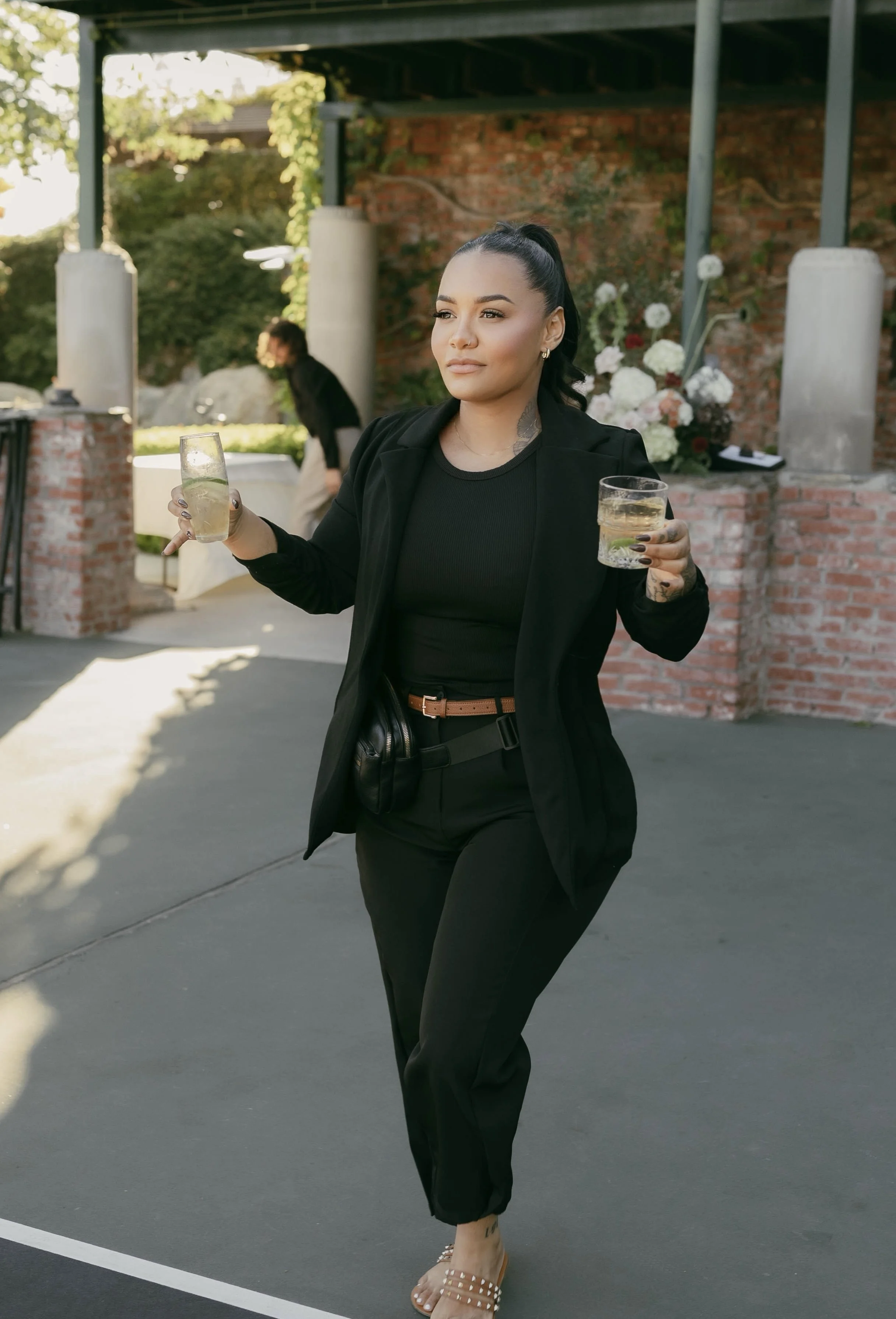
One of the biggest distinctions between wedding content creation and brand content creation isn't the camera being used.
It's the relationship between the creator and the client.
When a business hires a content creator, they're not purchasing personal memories. They're commissioning marketing assets for their company.
In this setting, the creator is functioning much like any other contracted marketing professional. Whether it's a copywriter, commercial photographer, videographer, graphic designer, or social media manager, the creator has been hired to produce deliverables that support the client's business objectives.
The content isn't being created to tell the creator's story.
It's being created to tell the brand's story.
For example, if a wedding planner hires a content creator to capture a venue launch, the purpose of that content is to market the planner's services and attract future clients. Likewise, if a venue, florist, rental company, or bridal boutique commissions content, those assets become part of that company's overall marketing strategy.
Recognizing this difference helps explain why the conversations surrounding licensing, usage rights, exclusivity, and ownership may differ from project to project.
Why Contracts May Look Different
Because these two services serve different purposes, the contracts often look different as well.
For wedding content creation, agreements commonly reflect the fact that the content documents a couple's personal celebration while also allowing creators to showcase their work as part of their professional portfolio.
For commissioned brand content, businesses may have different expectations surrounding licensing, exclusivity, portfolio usage, or ownership because the content is intended to support commercial marketing efforts.
Neither approach is universally right or wrong.
Every creator has their own business model, and every business has different marketing needs.
The important part is making sure those expectations are clearly discussed and agreed upon before the project begins.
Questions Businesses Should Ask Before Hiring a Brand Content Creator
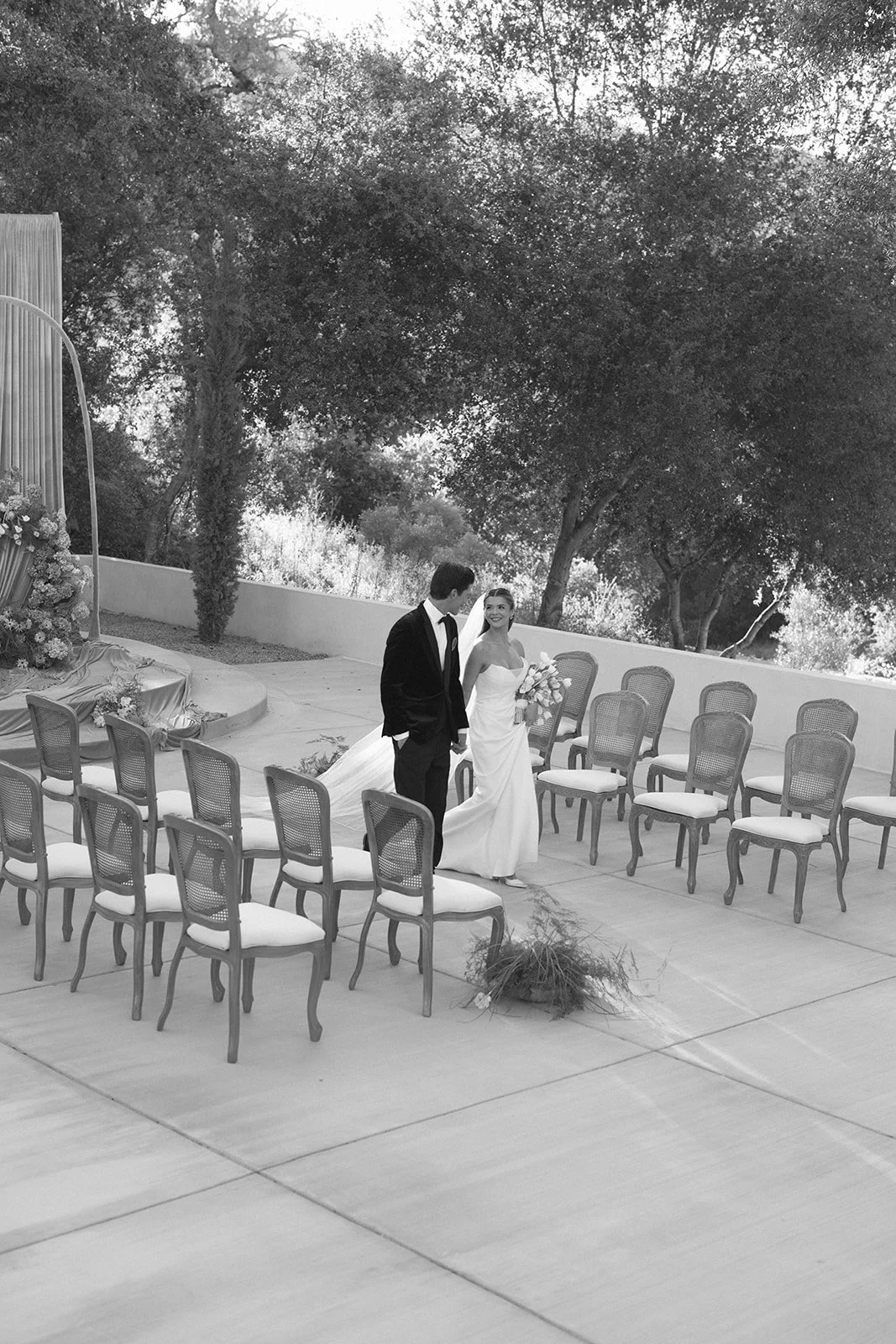
If you're investing in branded marketing content, consider discussing questions like:
What usage rights are included?
Will the creator use the content in their own marketing?
Is exclusivity available?
Can the business repurpose or edit the content in the future?
Who retains the raw footage?
Are there any limitations on how the final content may be used?
These conversations help avoid misunderstandings and ensure everyone is aligned from the beginning.
Questions Content Creators Should Clarify
Content creators should also communicate their business model clearly by explaining:
Their licensing terms
Whether portfolio usage is included
Whether exclusive licensing is available
Any additional fees for expanded usage rights
When and where they'll publish the content
Any limitations on commercial use
Clear communication protects both the creator and the client while creating stronger partnerships.
Neither Business Model Is Right or Wrong
Wedding content creation and brand content creation are both valuable services.
Many talented creators work successfully in both spaces, while others choose to specialize in one.
The key isn't deciding which business model is "correct." It's recognizing that these services are built around different clients with different objectives.
One centers on documenting a deeply personal experience.
The other centers on creating commissioned marketing assets for a business.
Because the purpose of the content is different, it's natural for conversations about licensing, exclusivity, deliverables, portfolio use, and ownership to look different as well.
The Bottom Line
Before hiring or accepting any content creation project, take the time to define the relationship first.
Is the creator documenting a once-in-a-lifetime celebration for a couple?
Or are they producing commissioned marketing assets for a business?
Answering that question early helps both parties establish clear expectations regarding deliverables, licensing, exclusivity, portfolio use, and ownership before any work begins.
When everyone understands the purpose of the project from the start, it leads to stronger partnerships, better communication, and ultimately, better content.
Whether you're planning an elevated wedding, producing a styled editorial, or preparing for a venue launch, Teardrop Wedding Events specializes in creating intentional experiences that tell your story with purpose.
Contact Teardrop Wedding Events
You Might Also Like
Designed, Not Decorated: A Sculptural Wedding Editorial at Villa Vienna in Pala, California
See how intentional brand storytelling comes to life through a luxury wedding editorial.Why Intentional Wedding Design Matters More Than Trends
Learn why purposeful design creates a more meaningful and memorable wedding experience.What Couples Receive with Full-Service Wedding Planning
Explore how our comprehensive planning process brings your vision to life from start to finish.My Non-Negotiables as Your Wedding Planner
Discover the values and standards that guide every wedding we plan.